Proper setup and regular maintenance are essential for the safe, reliable, and efficient operation of a rough-terrain forklift. The Kaystar(Kaida) 4WD Rough-Terrain Forklift is designed for demanding working environments, and following the recommended inspection and maintenance procedures helps protect key components and support long-term performance.
Before operating your forklift for the first time, review the following safety checks and maintenance recommendations.
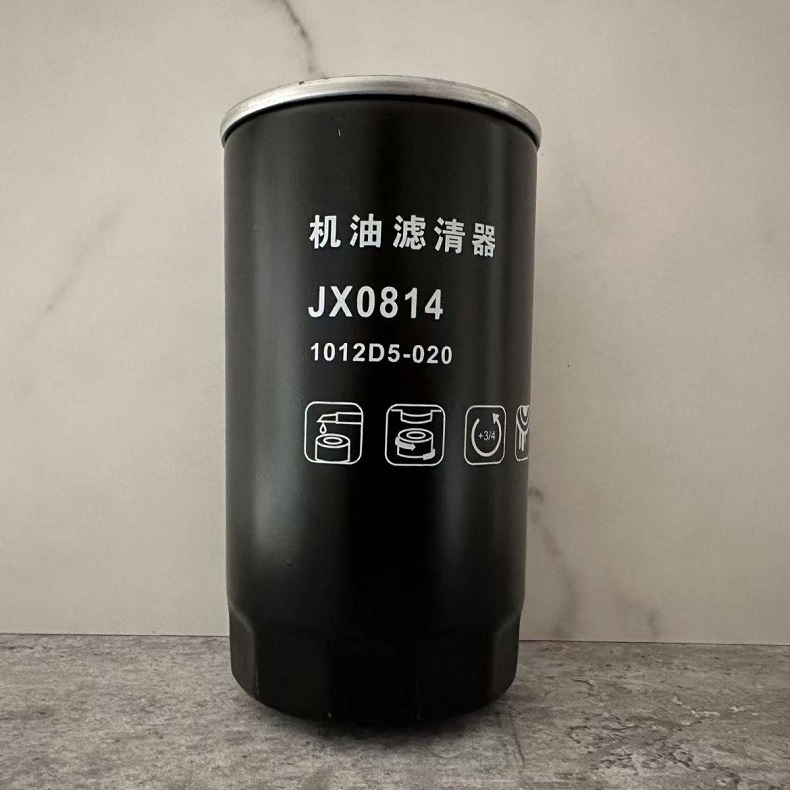
oil filter for YN4E 4102 turbo engine
1. Check All Fasteners Before Operation
Before starting the machine, inspect all bolts, nuts, screws, and other fasteners for looseness. Tighten any loose fasteners according to the manufacturer's specifications. Regular inspections help prevent component movement and unnecessary mechanical wear.
2. Inspect Hydraulic Hoses and Electrical Wiring
Check hydraulic hoses and electrical wiring for abrasion, chafing, or contact with metal components. Damaged hoses or wiring can lead to hydraulic leaks, electrical faults, or unexpected downtime.
If rubbing or chafing is detected, stop the machine and arrange for the affected hoses or cables to be secured or rerouted appropriately. Replace damaged components before returning the forklift to service.
3. Clean and Replace Filters Regularly
Dust and debris can accumulate in filter elements, particularly when the forklift operates in rough-terrain or dusty environments. Inspect and clean serviceable filters regularly, and replace filter elements as required by the manufacturer's maintenance schedule.
Proper filter maintenance helps protect the engine and other systems from contamination.
4. Follow the Recommended Oil Change Schedule
Regular oil maintenance helps protect the engine, hydraulic system, and torque converter.
The initial service intervals provided for this machine are:
- Engine oil: First service after approximately 48 operating hours.
- Hydraulic oil: Initial change after approximately one month.
- Torque converter oil: Initial change after approximately one month.
- Subsequent hydraulic and torque converter oil changes: Every 3–4 months, subject to the official maintenance schedule and operating conditions.
Always verify the required oil specifications, service intervals, and replacement procedures against the manuals supplied for your specific machine and engine.
5. Avoid Operating Hydraulic Cylinders Beyond Their Full Stroke
When a hydraulic cylinder reaches the end of its travel, stop operating the corresponding control. Do not continue holding or actuating the control against the cylinder's mechanical limit.
Continuing to operate the hydraulic system at full stroke may cause excessive pressure, heat buildup, or unnecessary stress on hydraulic components.
6. Maintain Proper Lubrication and Fluid Levels
Apply grease to the designated lubrication points at the recommended intervals. Regularly inspect engine oil and coolant levels, and top up as necessary using the specified fluids.
Before carrying out maintenance, park the forklift safely, lower the forks and attachments to the ground, shut down the engine, and follow the manufacturer's procedures for preventing unexpected movement or hydraulic hazards.
7. Use the Correct Fuel
The machine is equipped with an engine described as meeting National Stage III or a higher emissions standard. Use clean, good-quality fuel that complies with the specifications for the installed engine.
Using the correct fuel and following the engine manufacturer's servicing recommendations can help maintain reliable operation.
Pre-Operation Safety Checklist
Before each shift, operators should:
- Check the condition of fasteners and major components.
- Inspect hydraulic hoses for leaks, wear, and abrasion.
- Check electrical wiring for visible damage.
- Verify engine oil and coolant levels.
- Check for visible fluid leaks.
- Confirm that the forks, tires, brakes, steering, lights, and warning devices are in safe working condition.
- Ensure that all required safety devices are operational.
Do not operate the forklift if a safety-critical defect is identified. Arrange for inspection and repair by qualified personnel before use.
Keep Your Kaystar(Kaida) Forklift Operating Reliably
Consistent inspections, proper lubrication, timely oil changes, and correct fuel selection are important parts of rough-terrain forklift maintenance. Always follow the official operator and maintenance manuals for your specific machine.
For maintenance questions, replacement parts, or technical assistance, contact your Kaida forklift supplier.
Safety notice: The maintenance intervals in this article are general guidance based on the initial setup instructions supplied for the machine. The official manual and the installed engine manufacturer's requirements take precedence.
FAQ
maintenance-and-troubleshooting
 English
 Arabic
 French
 Latin
 Russian
 Spanish
 Thai